Job Arrival Visibility
When technicians move between multiple jobs each day, operations teams may need greater visibility into vehicle arrivals and departures at customer locations.
Loading...
Connect service vehicles and mobile teams with real-time fleet technology designed to provide greater visibility across jobs, vehicle locations, driver activity and day-to-day field operations.
Trades and field-service businesses can have technicians moving between customer sites, depots and jobs throughout the working day.
Without connected vehicle visibility, operations teams may find it difficult to understand where vehicles are, when field teams arrive at job locations, how vehicles are being utilised and when unexpected movement occurs.
Connected GPS tracking, geofencing, driver safety and fleet technology can bring supported vehicle and trip information together to create a clearer view of mobile operations.
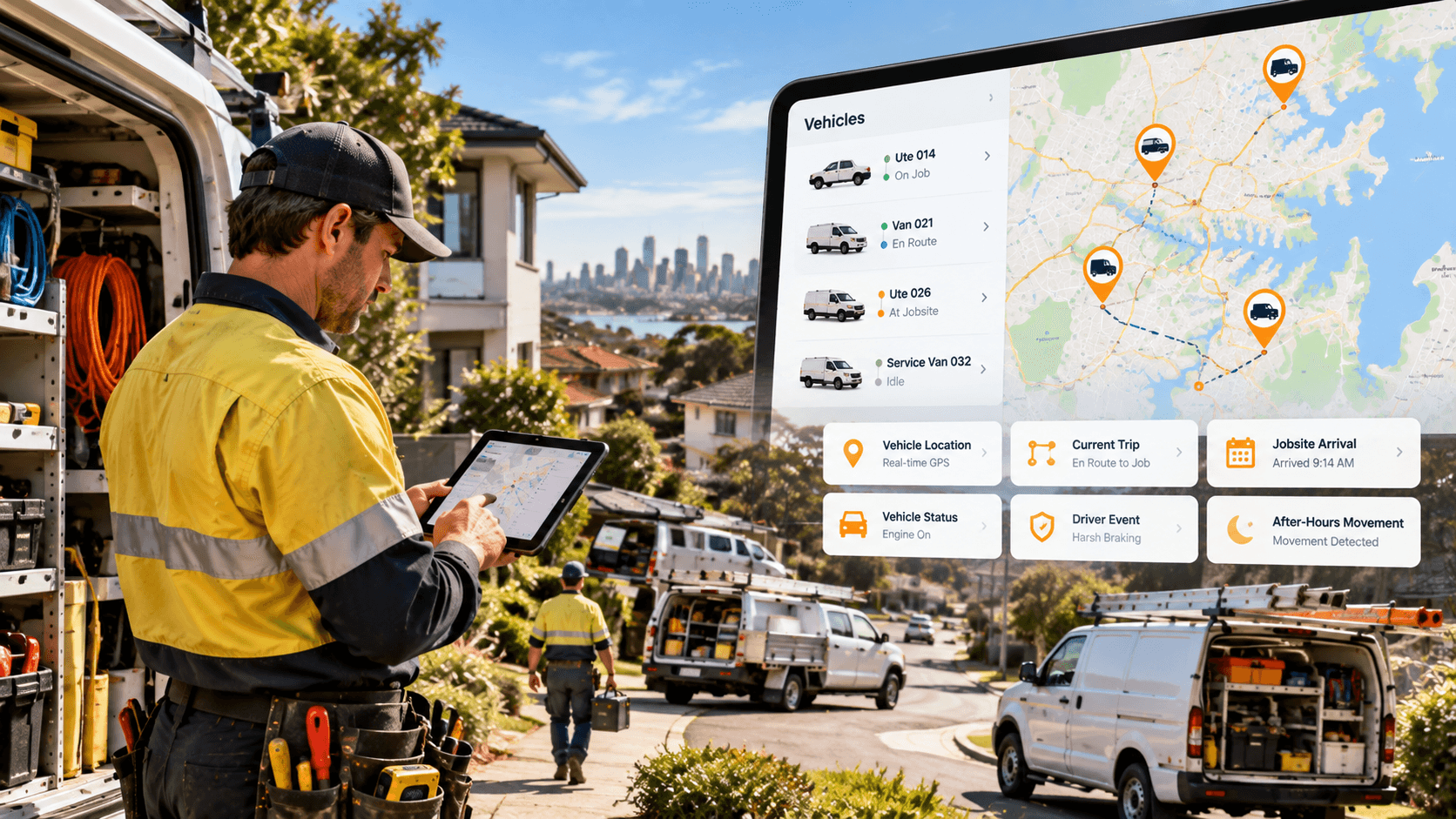
When technicians move between multiple jobs each day, operations teams may need greater visibility into vehicle arrivals and departures at customer locations.
Without current fleet location information, assigning or redirecting the most appropriate field vehicle can be more difficult.
Service vehicles may operate across large metropolitan or regional areas, making real-time location visibility valuable for operations teams.
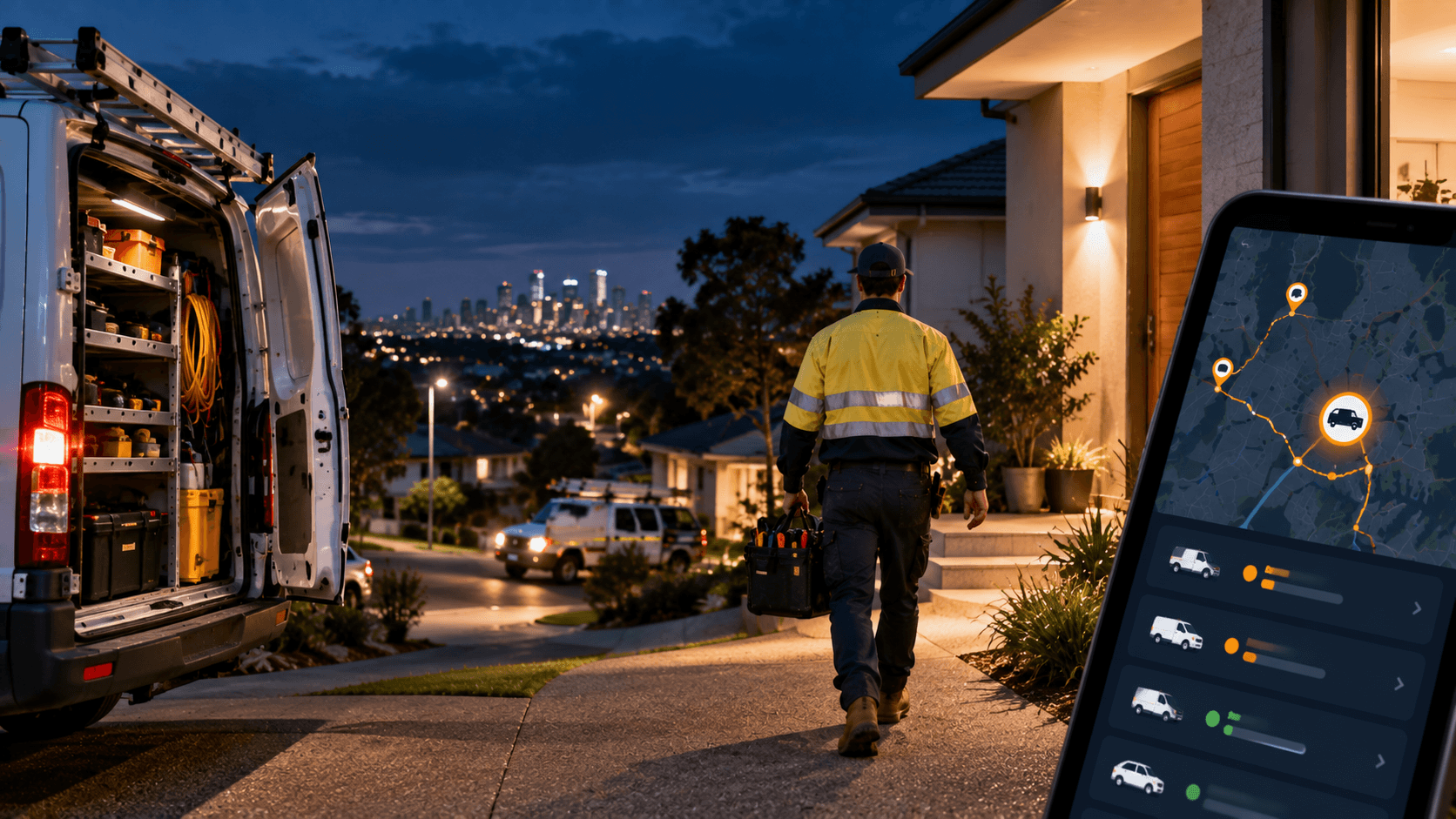
Unexpected vehicle movement outside normal operating periods can require additional visibility and investigation.
Field technicians may spend significant portions of the working day driving between customer locations.
Without trip and activity information, understanding how vehicles are being deployed can be difficult.
UnifiedFleet combines GPS tracking, geofencing, trip visibility, driver information and vehicle data to provide a more connected view of field operations.
View supported ute, van and service-vehicle locations and movement through connected GPS tracking.
Explore Fleet Tracking →Create virtual boundaries around customer sites, depots and operational areas to monitor supported vehicle arrival and departure events.
Explore Alerts & Geofencing →Use current vehicle locations to give dispatch and operations teams a clearer picture of where field vehicles are operating.
Explore Live Fleet Tracking →Monitor supported driving events and use available fleet information to support driver safety programs.
Explore Driver Safety →Use trip and activity information to understand how service vehicles are being used across the business.
Explore Reports & Analytics →Bring available vehicle and telematics information together to support maintenance planning.
Explore Vehicle Health →Geofencing can create virtual boundaries around customer sites, worksites and other important locations, providing supported arrival and departure events when connected vehicles cross those boundaries.
Understand when supported vehicles enter configured job locations.
Review supported vehicle departure events.
Connect jobsite events with available trip and vehicle movement information.
Live fleet visibility can help operations teams understand which connected vehicles are operating nearby and support more informed dispatch decisions.
See supported vehicle locations through a central fleet map.
Use location and trip information to build a clearer operational picture.
Give operations teams better fleet visibility when allocating field work.
Supported movement alerts and geofencing can provide additional visibility when connected service vehicles move outside configured operating periods or locations.
GPS tracking provides additional visibility and does not prevent theft or unauthorised vehicle use.
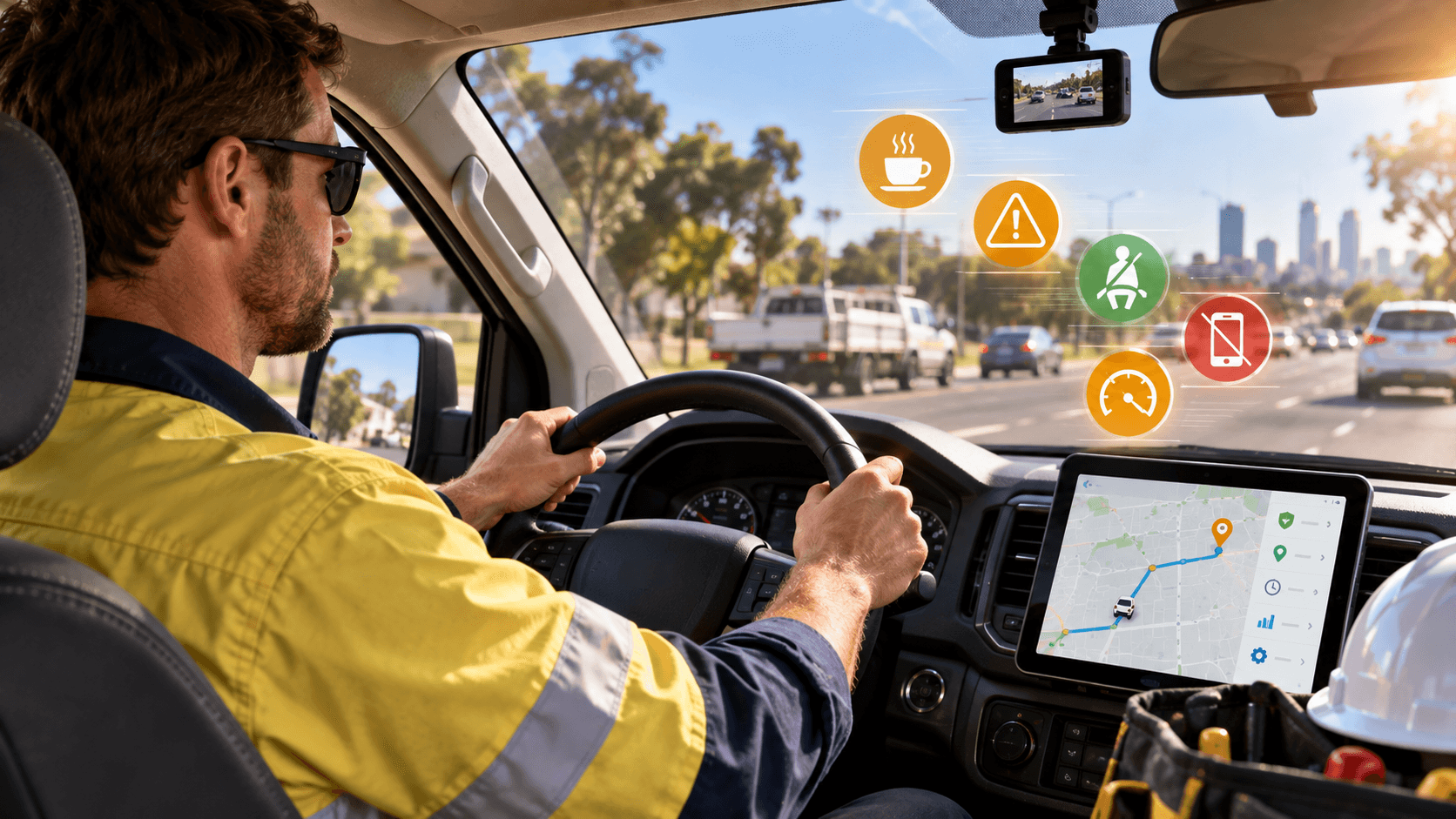
Field teams may spend hours each day travelling between customer locations. Supported driving events and video telematics can provide additional context around activity on the road.
Available alerts depend on the selected camera, device configuration and supported integration.
Trip and activity information can help businesses build a clearer picture of vehicle utilisation across field operations.
Understand which connected vehicles are active throughout the day.
Review available trip and movement information.
Identify potential patterns in how fleet vehicles are being deployed.
Connect the right fleet hardware to utes, vans and commercial vehicles to capture supported location, video and vehicle information.
Connected GPS hardware for service vans, utes and other commercial vehicles.
Road-facing and driver-facing video technology for supported safety events and incident context.
Combine available vehicle and location information for deeper fleet insight.
Add supported environmental or operational monitoring where field-service requirements call for additional visibility.
Bring supported vehicle locations, trips, driver events, video and vehicle information together through the UnifiedFleet platform.
A connected field vehicle leaves the depot.
GPS and supported vehicle technology provide location and trip visibility.
Configured geofences can record supported arrival events at job locations.
Operations teams maintain visibility as field vehicles move between jobs.
Trip and vehicle activity information remains available for operational review.
Use supported geofence events to understand when connected vehicles arrive at or leave configured job locations.
Give operations teams greater visibility into current vehicle locations.
Maintain a clearer operational view across utes, vans and other field-service vehicles.
Use supported driving events and available video information to provide greater context around fleet activity.
Use trip and activity information to better understand how fleet vehicles are being used.
Use supported movement, trip and geofence information to review unexpected vehicle activity.
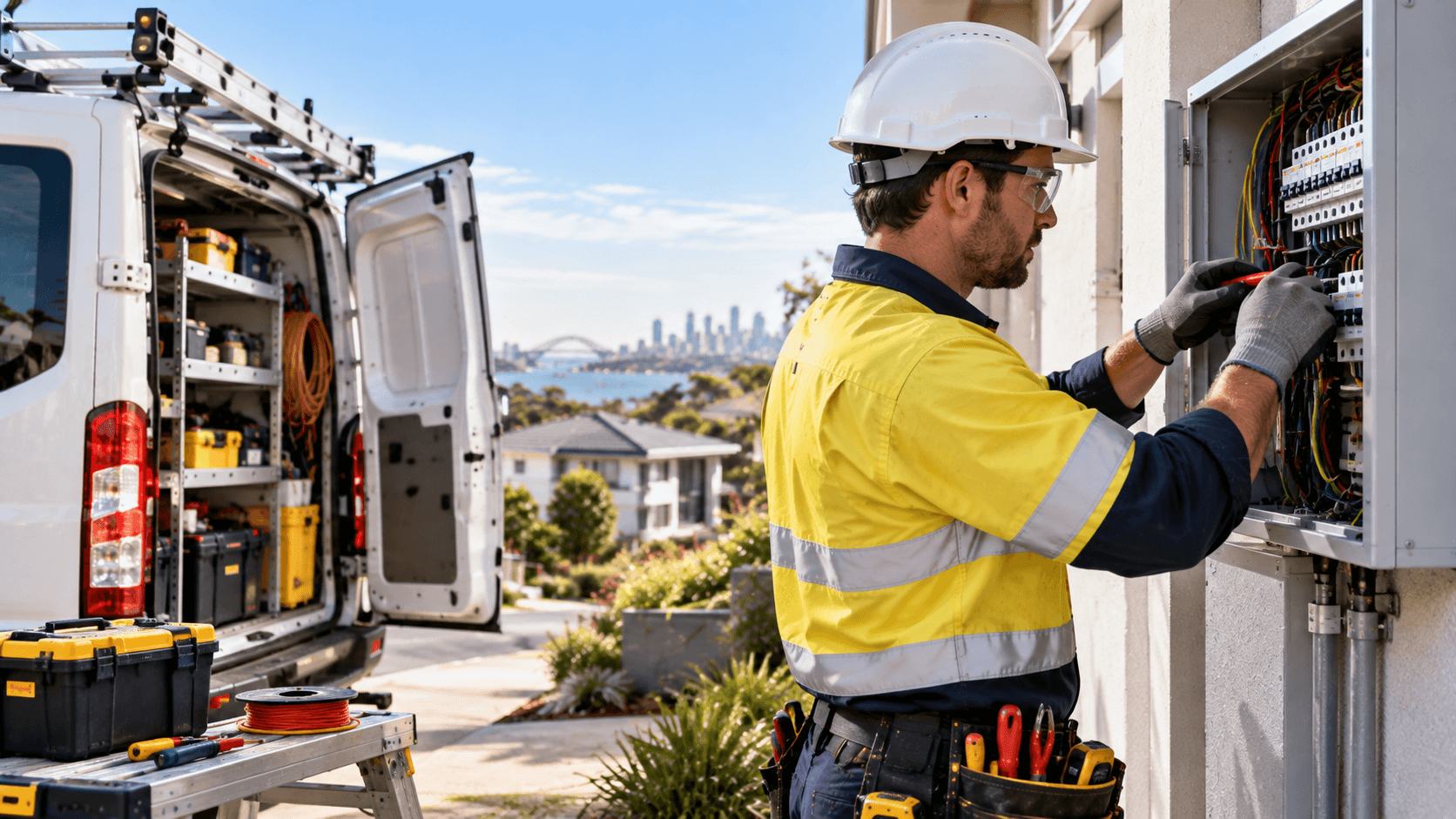
Track service vans and utes travelling between customer and project locations.
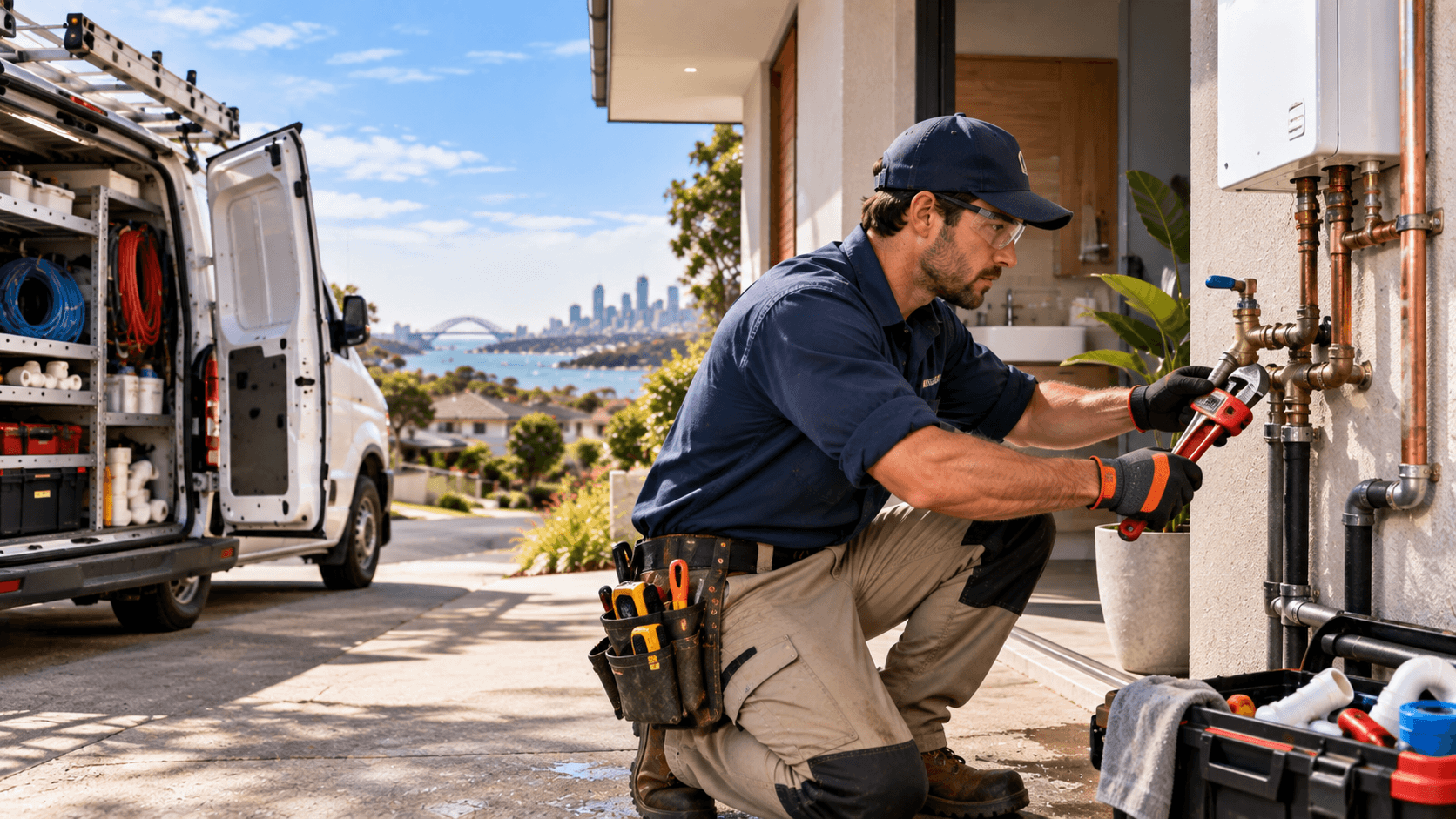
Improve vehicle and trip visibility across mobile plumbing teams.

Connect field-service vehicles supporting installation, servicing and maintenance work.
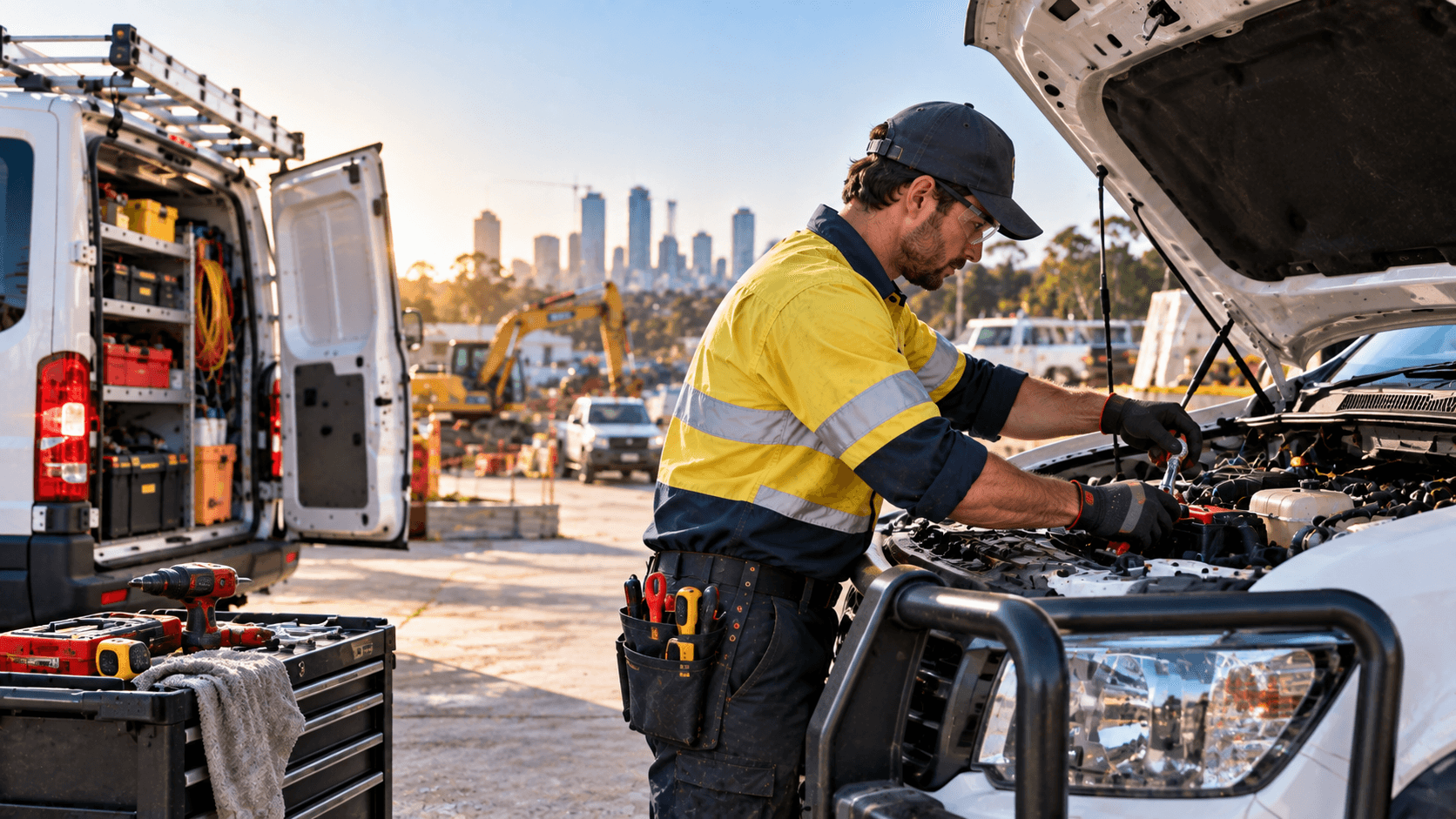
Maintain visibility across mobile technicians and commercial vehicles.
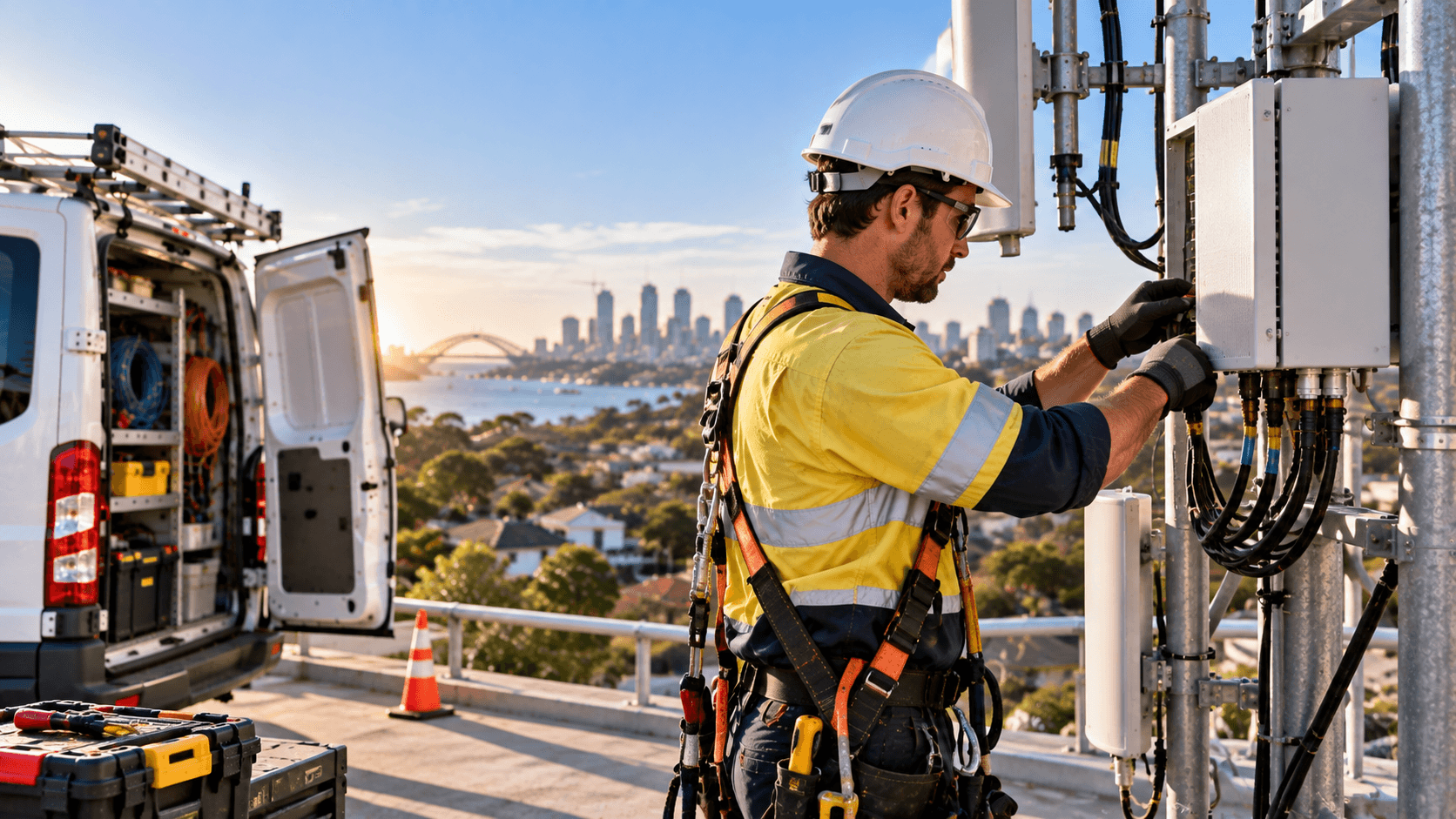
Connect field vehicles operating across installation and service locations.
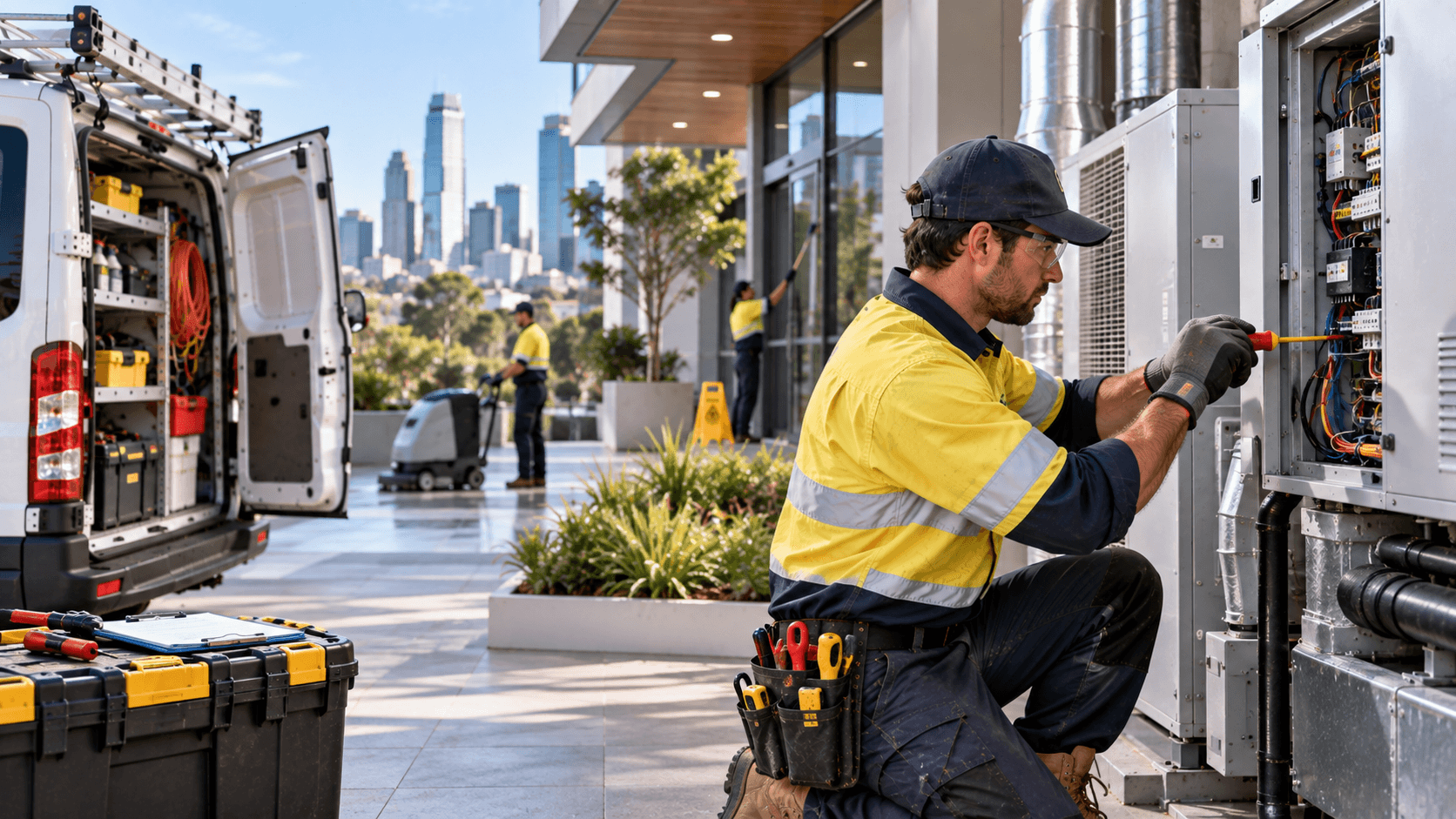
Improve operational visibility across distributed maintenance and support fleets.
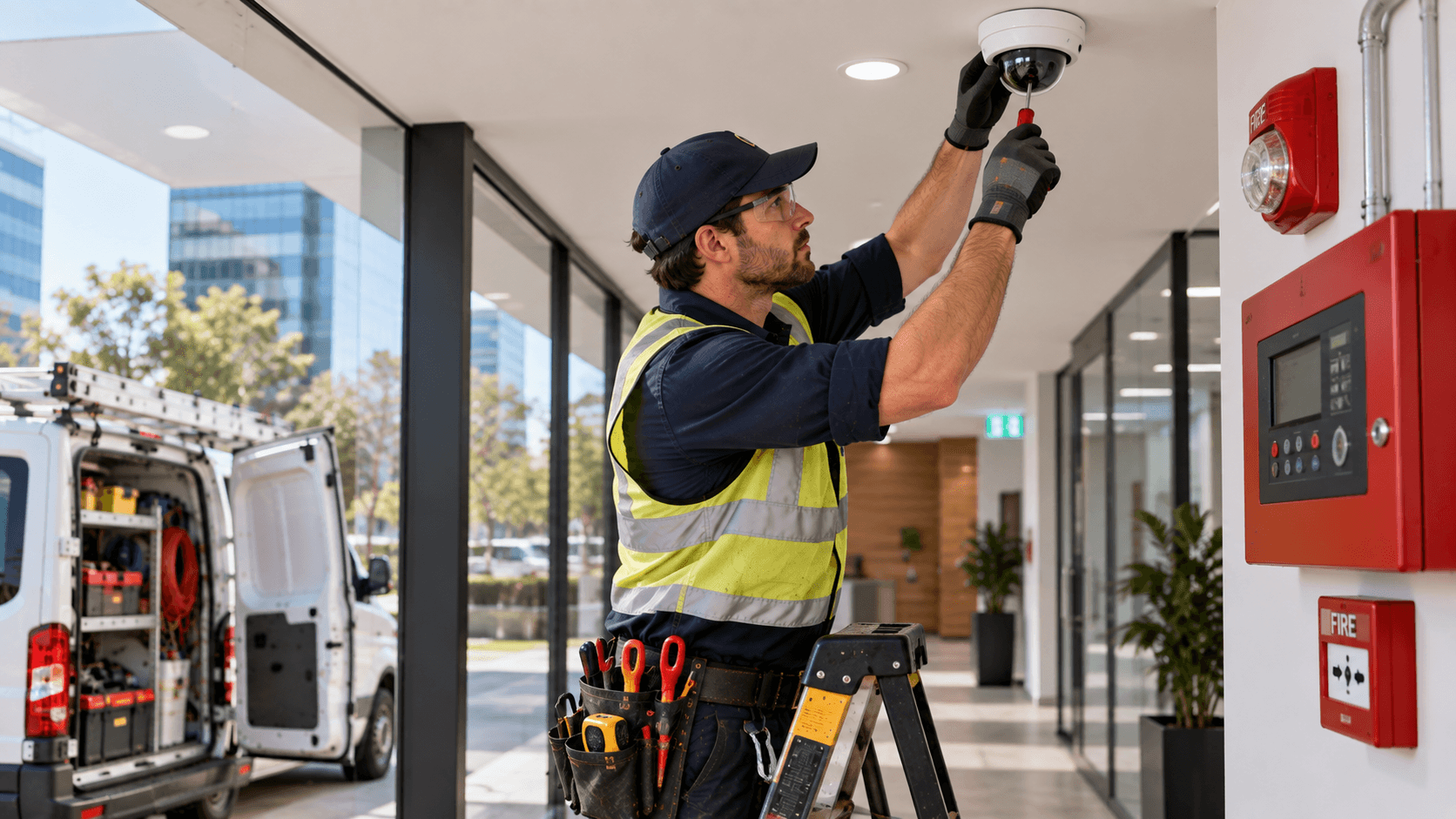
Track commercial vehicles supporting installation, inspection and service operations.
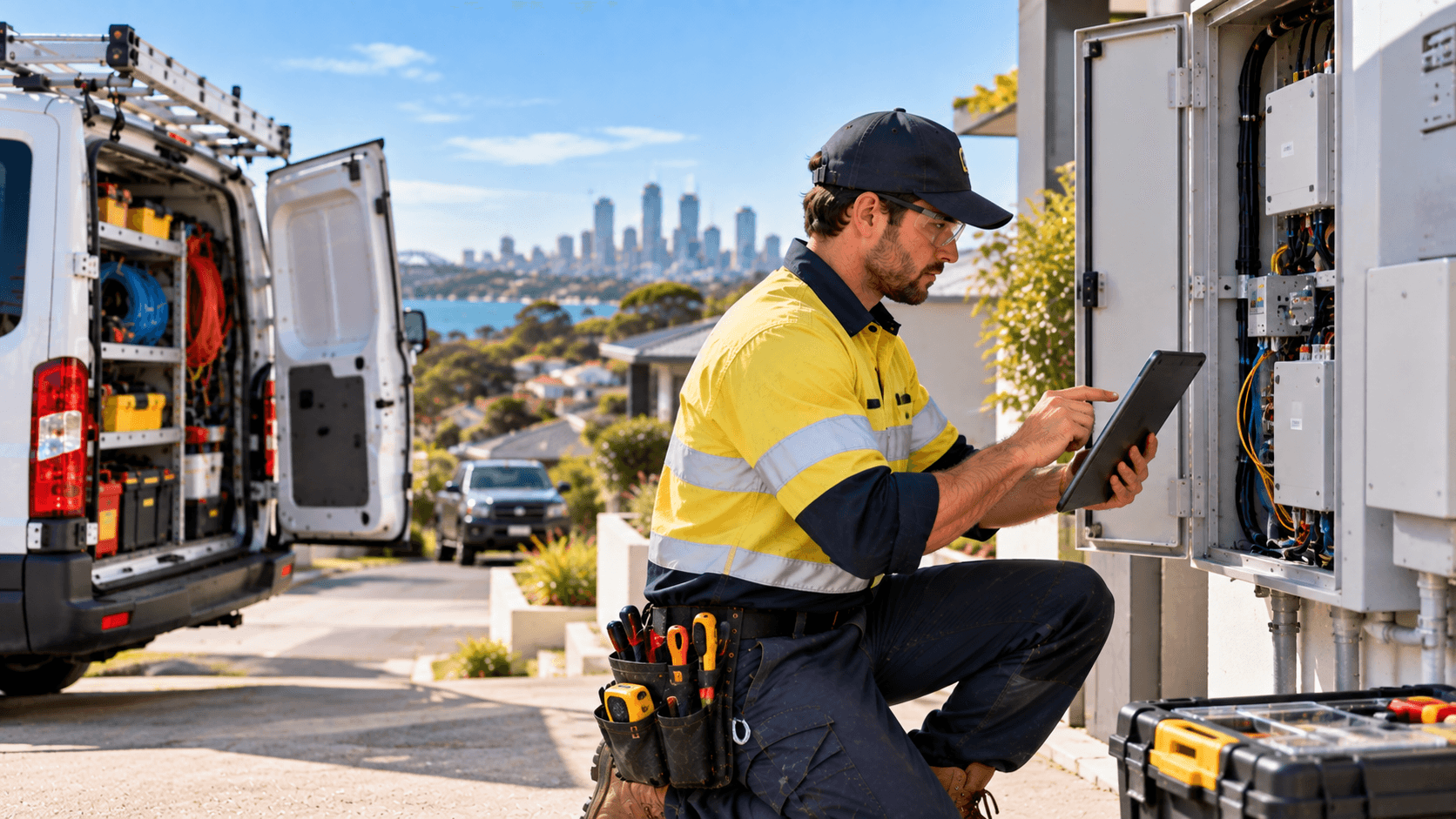
Connect mobile technicians and vehicles travelling between multiple customer sites.